
Are Electric Cars Truly Eco Friendly
Are electric cars really the green solution we all want them to be, or is there a hidden environmental price we’re overlooking?
The hidden environmental costs of EV battery manufacturing
Electric vehicles (EVs) are widely celebrated for their zero tailpipe emissions, but the environmental impact of producing their batteries is often glossed over. The lithium-ion batteries powering most EVs rely on mining for raw materials such as lithium, cobalt, and nickel. Extracting these metals is energy-intensive and frequently tied to significant ecological and social issues.
Mining lithium, for example, requires vast amounts of water, which can devastate local ecosystems, especially in arid regions like the Atacama Desert in Chile. Cobalt, another critical battery ingredient, often comes from the Democratic Republic of Congo, where mining conditions raise serious human rights concerns, including child labor and hazardous workplaces. The environmental degradation from mining operations includes habitat destruction, soil erosion, and water pollution.
Beyond mining, refining and manufacturing battery components demand substantial energy, often sourced from fossil fuels, which adds to the carbon footprint of EVs before they even hit the road. Studies suggest that producing an EV battery can emit as much carbon as driving a gasoline vehicle for tens of thousands of miles. This upfront environmental cost challenges the narrative that electric cars are automatically better for the planet.
Recycling and repurposing tackling battery disposal challenges
Once EV batteries reach the end of their useful life in vehicles, they pose a significant disposal challenge. Unlike conventional car batteries, EV batteries are larger and contain complex chemistries that require specialized handling. Improper disposal risks releasing toxic materials into the environment, contaminating soil and water sources.
However, recycling technologies are improving. Companies and researchers are developing processes to recover valuable metals from spent batteries, reducing the need for virgin material extraction. Efficient recycling can close the loop, lowering the environmental footprint of EVs over their entire lifecycle.
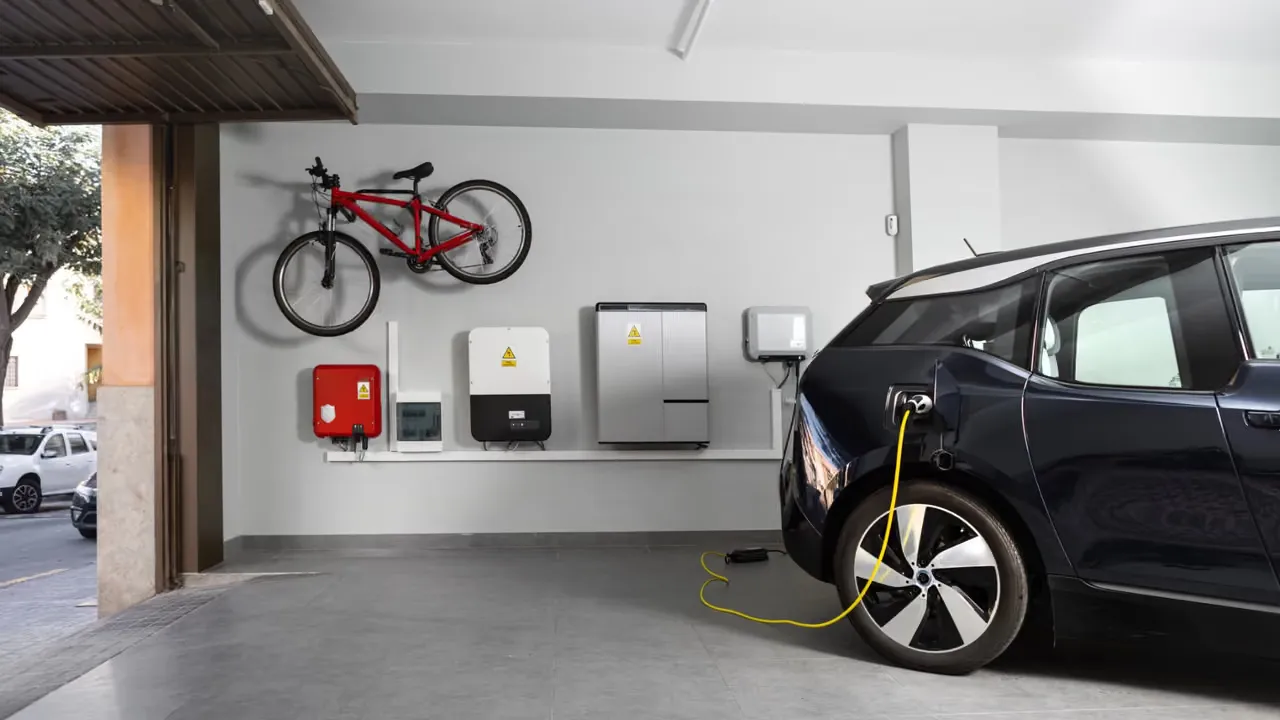
Second-life applications give used EV batteries a new purpose. Even when no longer ideal for powering vehicles, these batteries can store energy for less demanding roles like residential solar storage or grid balancing. This repurposing extends battery life and delays recycling or disposal, reducing waste.
- Hydrometallurgical methods: Using aqueous solutions to extract metals, these methods are less energy-intensive than traditional pyrometallurgical (smelting) processes.
- Direct recycling: Techniques that preserve the battery’s cathode materials for reuse, minimizing the need for new raw materials.
- Second-life battery projects: Utilities and startups are piloting programs that integrate old EV batteries into renewable energy systems.
Innovations in battery technology for sustainability
Emerging battery technologies promise to reduce the environmental and ethical concerns tied to current lithium-ion chemistries. Solid-state batteries, for instance, replace the liquid electrolyte with a solid material, potentially increasing energy density and safety while simplifying recycling.
Researchers are also exploring batteries that rely less on scarce or controversial materials. Lithium-iron-phosphate (LFP) batteries avoid cobalt altogether and are becoming popular in some EV models. Sodium-ion batteries, using abundant and inexpensive sodium, could further reduce reliance on lithium and cobalt.
Beyond chemistry, novel manufacturing techniques aim to reduce waste and energy use. Additive manufacturing (3D printing) of batteries or components could customize designs for efficiency and longevity, while green chemistry approaches seek to minimize harmful solvents and emissions during production.
How policy and consumer awareness can drive greener EV adoption
Technological advances alone won’t make EVs truly green unless paired with smart policies and informed consumer choices. Governments play a crucial role in setting standards and incentives that encourage sustainable practices throughout the battery lifecycle.
Policies can include:
- Mandatory battery recycling: Requiring producers to take responsibility for end-of-life batteries and invest in recycling infrastructure.
- Supply chain transparency: Enforcing disclosure and ethical sourcing requirements for battery materials.
- Research funding: Supporting development of alternative battery chemistries and recycling technologies.
- Incentives for second-life battery use: Promoting reuse to maximize resource efficiency.
Consumers also have power through their choices. Opting for EV models with batteries that use less controversial materials or companies with strong sustainability commitments can influence industry practices. Awareness about the full environmental impact encourages pressure for better transparency and innovation.
As the EV market expands rapidly, balancing demand with responsible material sourcing, sustainable manufacturing, and effective end-of-life management is critical. Only then can electric cars live up to their promise as a truly green alternative to fossil-fuel vehicles.