

Smart Charging Shapes Future Power Demand
Electric cars are no longer just a novel alternative to gasoline vehicles; they are becoming central players in how we produce, distribute, and consume energy. As their numbers grow, these vehicles are reshaping the energy grid and accelerating the integration of renewable power sources in ways that few predicted just a decade ago.
Integration of Electric Vehicles with Smart Grids
The rise of electric vehicles (EVs) has coincided with advancements in smart grid technology, creating a synergy that promises a more flexible and efficient electricity system. Unlike traditional grids, which flow energy in one direction—from power plants to consumers—smart grids incorporate digital communication and decentralized energy resources. EVs fit neatly into this system because they are essentially mobile energy storage units.
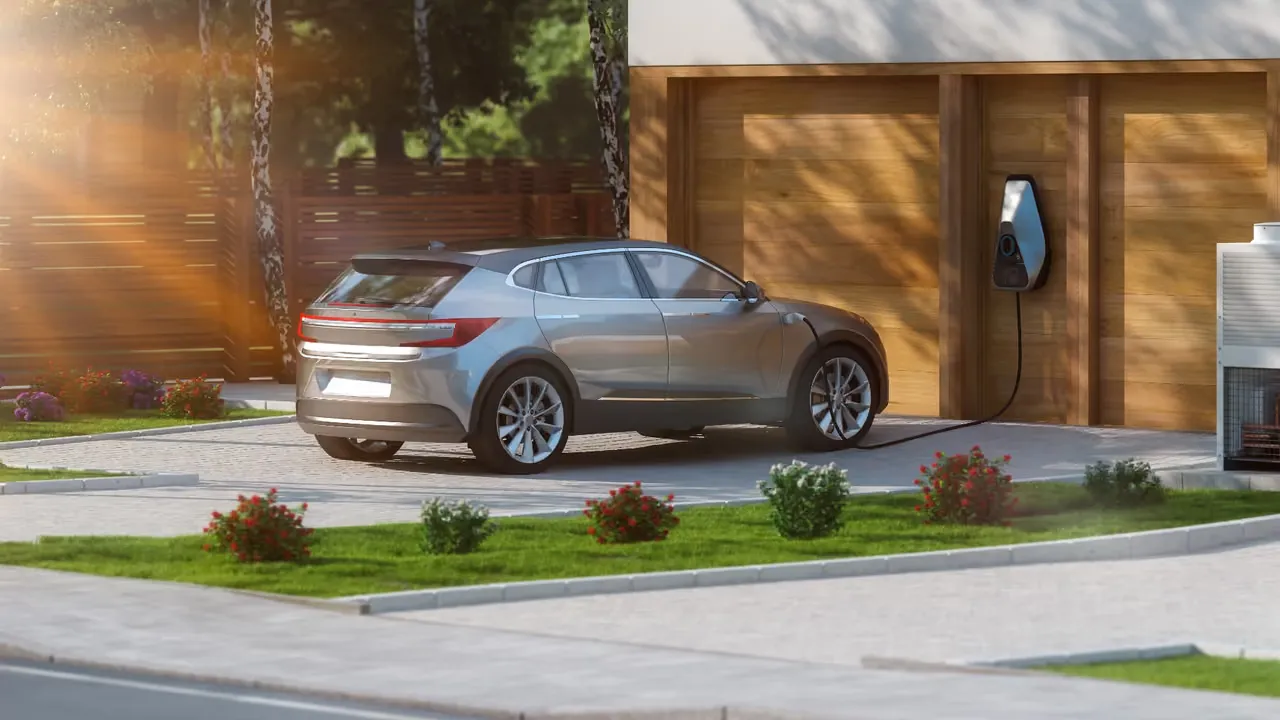
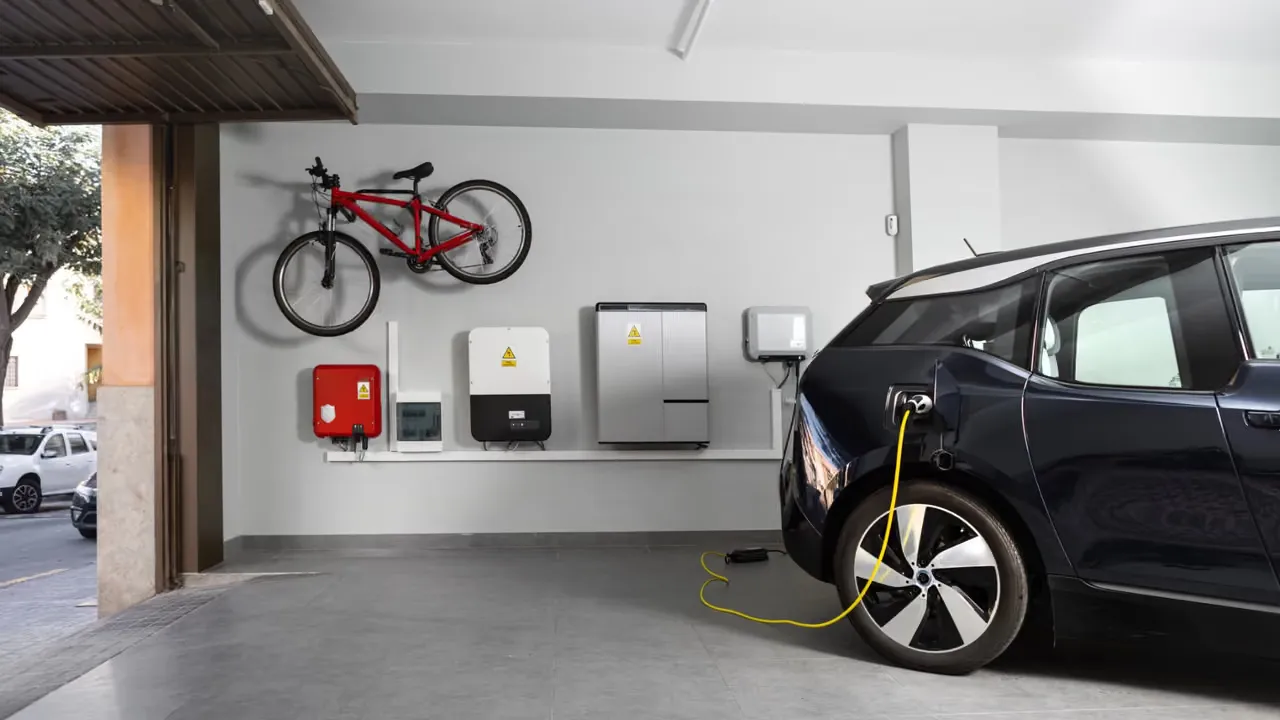
Charging stations connected to smart grids can communicate with utilities and consumers, adjusting charging times based on grid demand and supply conditions. This integration allows for dynamic load management, where EV charging can be delayed or accelerated depending on the availability of electricity, especially from renewable sources like solar and wind.
Smart Charging and Demand Response
Smart charging systems enable EV owners to charge their cars during off-peak hours or when electricity is cheapest and cleanest. Utilities benefit because this reduces strain on the grid during peak demand periods, lowering the risk of blackouts and the need for expensive peaker plants.
Furthermore, some utilities offer incentives for EV owners who participate in demand response programs, temporarily reducing or shifting their charging load to help balance the grid. This collaborative approach turns EVs into active participants in grid stability rather than passive consumers.
Impact of EV Charging on Energy Demand Patterns
Traditional energy demand patterns have been predictable: peaks in the morning and early evening when people are at home. However, widespread EV adoption is shifting these patterns significantly. As millions of vehicles plug in, usually in the evening after work, the grid faces new and more intense peaks.
This shift demands that utilities rethink generation and distribution strategies. Instead of building more fossil-fuel-powered plants to cover these spikes, many are turning to smart charging and energy storage solutions. By spreading out charging demand or syncing it with renewable energy availability, the grid can avoid costly upgrades and reduce carbon emissions.
Some urban areas are already experiencing what could be called “EV evening peaks.” Without smart management, these peaks could cause grid instability and higher electricity costs. The urgency of addressing this has pushed investment into smart meters, time-of-use pricing, and intelligent charging infrastructure.
Role of EVs in Promoting Renewable Energy Sources
Electric cars and renewable energy are natural allies. Solar and wind power are intermittent by nature—solar only produces during the day, and wind can be unpredictable. EVs, with their sizable batteries, can absorb excess renewable energy, storing it for later use.
This synergy helps solve one of the biggest obstacles renewable energy faces: storage. By aligning EV charging with periods of high renewable output, excess clean electricity that would otherwise be curtailed or wasted is put to good use. In effect, EVs act as distributed batteries, smoothing out the supply-demand mismatch that plagues renewables.
Moreover, as the electricity grid becomes greener, the emissions tied to EV charging continue to drop. This virtuous cycle encourages more people to switch to electric cars, further boosting demand for renewables and reinforcing the shift away from fossil fuels.
Future Prospects for Vehicle-to-Grid Technology
One of the most exciting developments on the horizon is vehicle-to-grid (V2G) technology, which allows EVs not only to draw power from the grid but also to feed it back when needed. This transforms EVs into bi-directional energy assets, capable of stabilizing the grid during peak demand or emergencies.
V2G technology could enable fleets of electric cars to act as a massive, distributed energy reservoir. During times of high demand or low renewable output, EVs could discharge electricity back into homes or the grid, reducing reliance on fossil fuel plants. Conversely, during periods of excess renewable generation, they can recharge at low cost.
Some pilot programs around the world are already testing V2G systems with promising results. Challenges remain, such as battery degradation concerns and regulatory hurdles, but the potential benefits are enormous. Utilities see V2G as a tool to enhance grid resilience, lower costs, and accelerate renewable integration.
In the near future, EVs could become key players in a decentralized energy ecosystem, where consumers are also producers and storage providers. This could redefine the traditional utility-customer relationship and spur innovation in energy markets.