
Electric Cars Quietly Change Urban Life
Electric Cars Are Quietly Redefining City Life
Walk down a busy city street today and the hum of engines, the screech of brakes, and the blaring of horns create a familiar urban soundtrack. But increasingly, that soundtrack is shifting. Electric vehicles (EVs), once niche curiosities, are becoming mainstream. Beyond their obvious role as a cleaner mode of transport, electric cars are reshaping how we experience cities in ways few anticipated.
Turning Down the Volume of Urban Noise
One of the most immediate changes EVs bring to cities is quieter streets. Traditional internal combustion engines generate a constant mechanical noise, which contributes significantly to urban noise pollution. Electric motors operate silently at low speeds, which dramatically reduces street-level noise.
This isn’t just a minor convenience. Studies have linked high noise pollution to increased stress, sleep disturbances, and even cardiovascular problems. With more electric cars on the road, residential areas near busy streets are becoming noticeably calmer. Pedestrians can hold conversations without shouting, and urban parks feel more like peaceful retreats than noisy traffic corridors.
However, this silence introduces new challenges. Some cities have started requiring EVs to emit artificial sounds at low speeds to alert pedestrians, especially those with visual impairments. It’s a delicate balance between preserving the quiet and ensuring safety.
Parking and Traffic Patterns Evolve
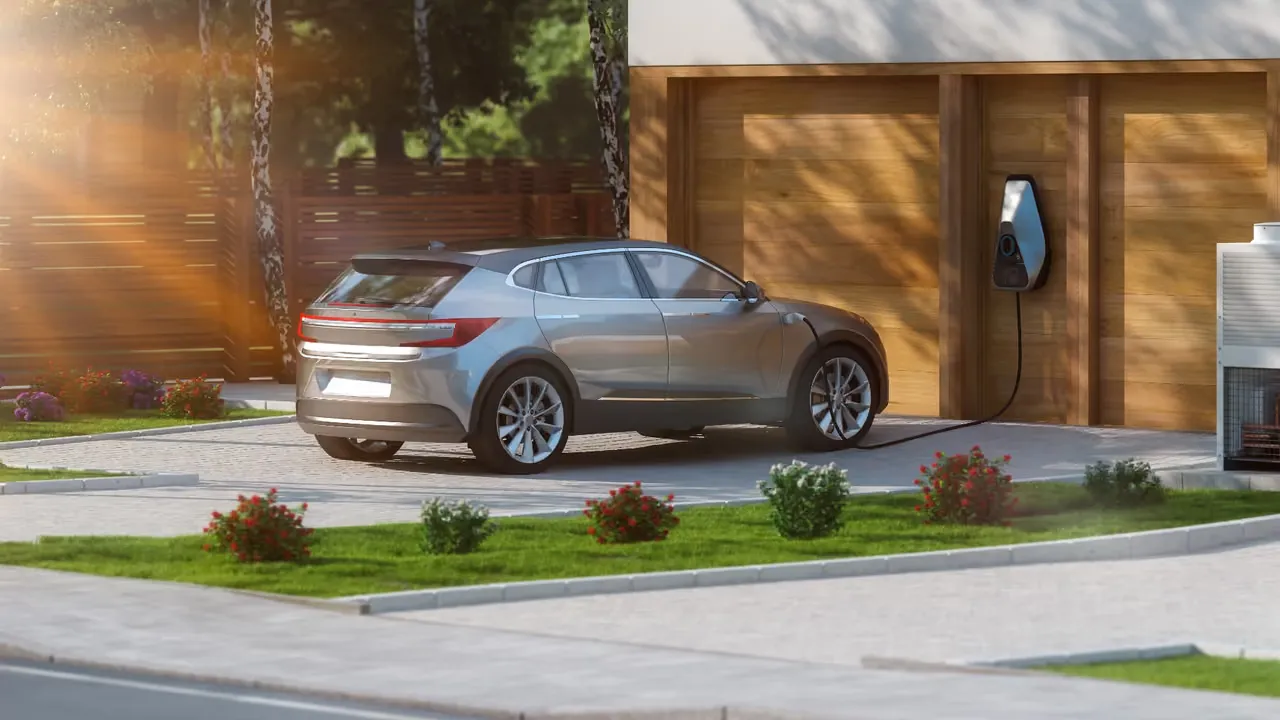
Electric cars are also prompting a rethink of parking and traffic dynamics. Unlike gas stations, EV charging points take longer to serve each vehicle, so cities and private operators are redesigning parking infrastructure to accommodate this. Dedicated EV parking spots with charging stations are becoming common, often prioritized in prime locations.
This changes how drivers choose where to park. Charging stations encourage longer stays, which can reduce the constant turnover seen in traditional parking spaces. Some urban areas have begun to integrate dynamic pricing for parking, encouraging EV owners to move on after charging, keeping spaces available.
On the traffic front, many cities are experimenting with EV-only lanes or zones to incentivize electric vehicle use. These lanes can reduce congestion for EV drivers, but also subtly nudge commuters toward cleaner transport options. Combined with growing car-sharing programs featuring electric fleets, these shifts are quietly influencing traffic flow and urban mobility habits.
Ripples in Local Economies and Job Markets
The rise of electric vehicles is creating new economic currents within cities. Traditional auto repair shops are adapting or fading, as EVs require less routine maintenance—no oil changes, fewer moving parts. This shift has led to a demand for technicians skilled in high-voltage systems, battery maintenance, and software updates.
At the same time, new jobs are sprouting around charging infrastructure installation and maintenance, battery recycling, and urban energy management. Local governments and private companies are investing in training programs to equip workers for these roles.
Retail sectors near charging hubs benefit too. Drivers often spend time at cafes, shops, or co-working spaces while their cars charge. This has spurred a trend toward integrating charging stations into retail developments, transforming parking lots from mere vehicle storage into vibrant, multipurpose community spaces.
Urban Infrastructure and Planning Undergo a Makeover
City planners are no longer designing streets and neighborhoods solely around gasoline vehicles. The growing presence of electric cars demands new infrastructure considerations.
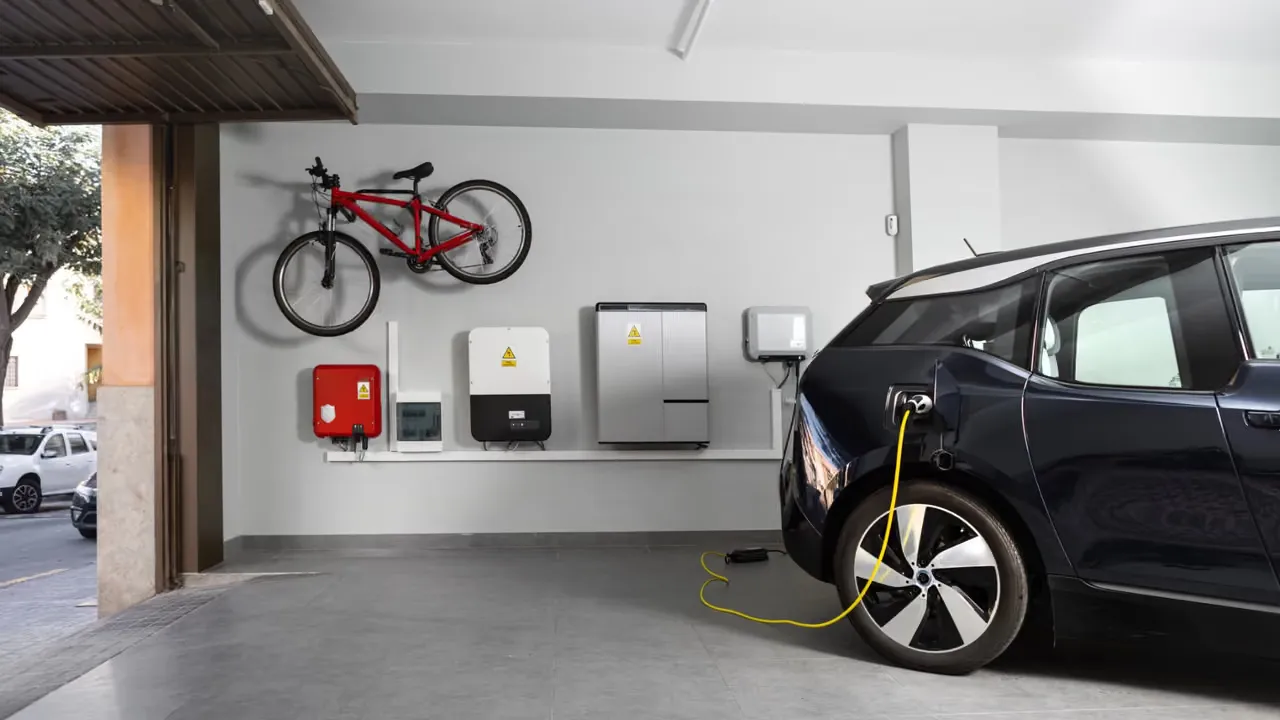
- Charging Infrastructure: Installing widespread, accessible, and fast charging stations is now a priority. This includes curbside chargers for residents without private parking and high-capacity chargers for public fleets.
- Energy Grid Integration: Cities must upgrade electrical grids to handle increased demand, balancing peak loads and integrating renewable energy sources.
- Smart Technologies: EVs paired with smart grids enable vehicle-to-grid (V2G) technologies, allowing parked cars to feed energy back to the grid during high-demand periods. This can stabilize urban power supplies and reduce outages.
- Redesigning Streets: With quieter and cleaner vehicles, cities are experimenting with pedestrian-friendly zones, expanded bike lanes, and green spaces, envisioning streets as social and ecological assets rather than just traffic conduits.
The urban landscape is becoming more adaptive, multi-functional, and intertwined with energy systems in ways that were unimaginable when cars ran strictly on gasoline.