
Five Innovations in Sustainable EV Charging
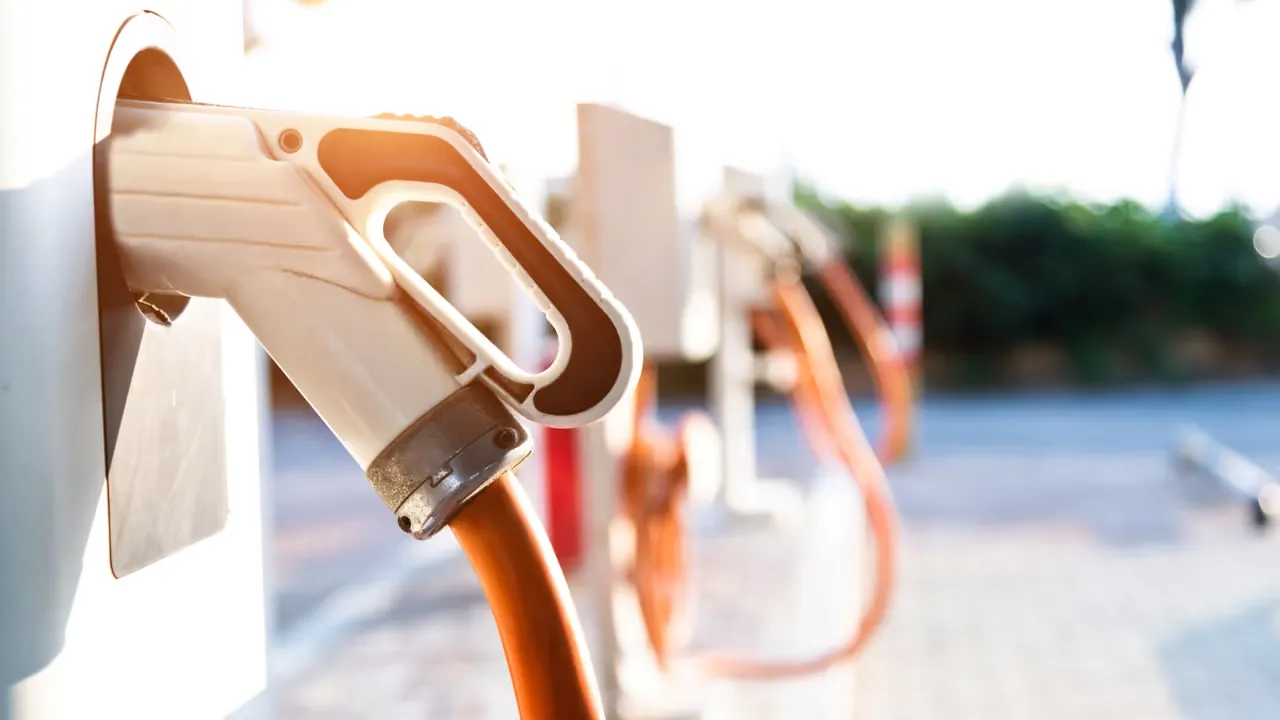
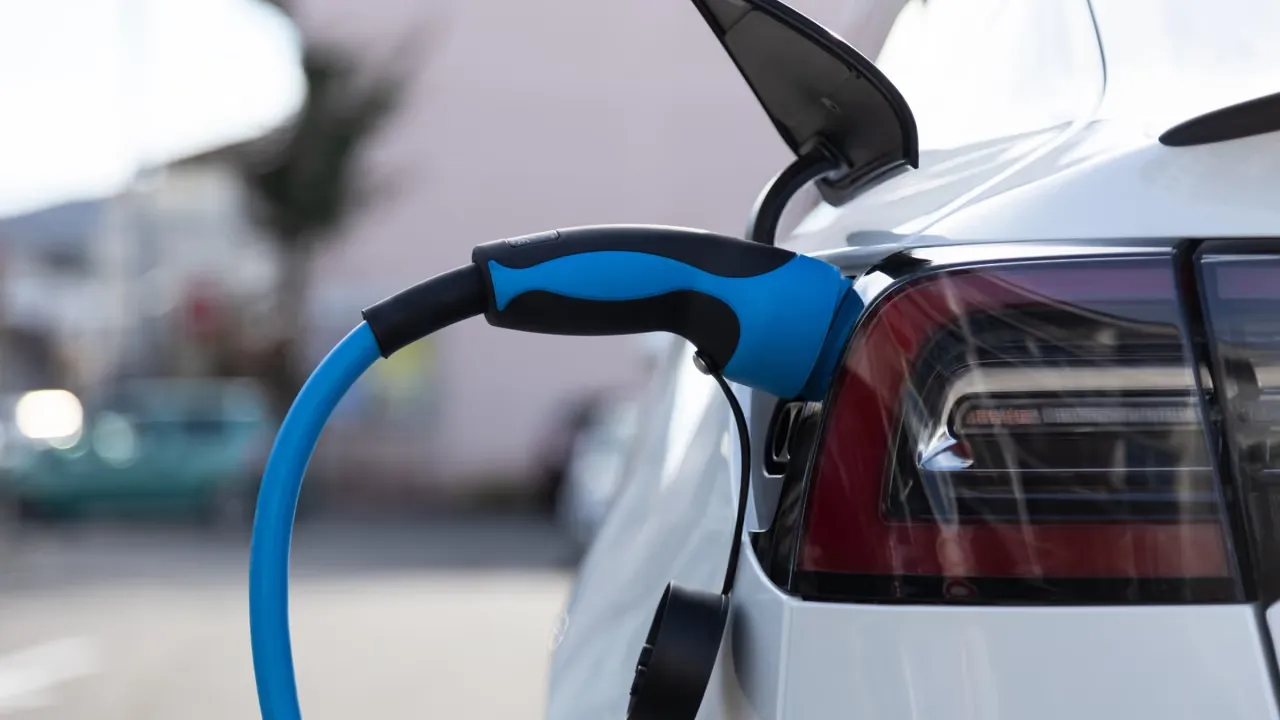
Electric vehicles are often hailed as the future of clean transportation, but the environmental impact of the infrastructure that supports them deserves equal attention. EV charging stations, essential for powering these vehicles, come with their own carbon footprint. Understanding and minimizing this impact is crucial to ensure that the shift to electric mobility truly benefits the planet.
Understanding the Carbon Footprint of EV Charging Stations
At first glance, EV charging might seem like a zero-emission activity, especially compared to fossil fuel refueling. However, the reality is more complex. The carbon footprint of an EV charging station includes the emissions generated during manufacturing, installation, and operation.
The production of charging equipment involves raw material extraction and processing, which consume energy and generate greenhouse gases. For example, manufacturing the power electronics, cables, and connectors requires metals like copper and rare earth elements, whose mining and refinement are energy-intensive.
Once installed, the energy used to charge vehicles determines the operational carbon footprint. If the electricity comes from fossil fuel power plants, the emissions can be substantial, sometimes negating some of the environmental advantages of EVs themselves. Conversely, the use of cleaner energy sources dramatically reduces this footprint.
Innovations in Sustainable Charging Infrastructure
Efforts to reduce the environmental impact of EV charging are gaining traction. Manufacturers and operators are pursuing innovations that tackle both the embedded emissions and operational energy use.
- Eco-friendly materials: Some companies are developing charging stations using recycled metals, bioplastics, and sustainably sourced components to cut down on the embodied carbon.
- Modular design: Modular chargers allow for easier upgrades and repairs, extending the lifespan of equipment and reducing waste associated with premature disposal.
- Energy-efficient electronics: Advances in power conversion technology mean chargers can operate more efficiently, losing less energy as heat during charging sessions.
- Smart charging systems: These systems optimize charging times to minimize grid stress and take advantage of low-carbon electricity periods.
The Role of Renewable Energy Integration in EV Charging
The single most effective way to reduce the carbon footprint of EV charging is integrating renewable energy sources. Charging stations powered by solar, wind, or hydropower dramatically cut greenhouse gas emissions associated with electricity consumption.
Several models are emerging:
- On-site solar charging: Solar panels installed on or near charging stations can provide clean electricity directly. Combined with battery storage, they can offer reliable power even when the sun isn’t shining.
- Green grid sourcing: Many utilities now offer green energy tariffs, allowing charging networks to source electricity from renewable-heavy grids, significantly lowering indirect emissions.
- Vehicle-to-grid (V2G) technology: This innovation allows EVs to feed stored electricity back to the grid during peak demand, balancing supply and demand and facilitating greater renewable energy integration.
Beyond energy sources, the location of charging stations also matters. Placing chargers where renewable energy is abundant or near energy storage facilities can maximize the environmental benefits.
Best Practices for Consumers to Promote Green Charging
Consumers wield considerable influence over the sustainability of EV charging. Here are practical steps drivers can take:
- Charge during off-peak hours: Many utilities have lower rates and cleaner grid mixes at night or during specific periods. Timing your charging to these windows can reduce emissions.
- Use renewable energy plans: Opt for electricity providers that offer renewable energy options or purchase renewable energy certificates (RECs) to offset your charging footprint.
- Prefer green-certified charging stations: Seek out chargers powered by renewable sources or those with sustainability certifications.
- Maintain your EV and charger: Well-maintained equipment operates more efficiently, wasting less energy.
- Participate in smart charging programs: Enroll in programs that adjust your charging based on grid demand and renewable energy availability.
Ultimately, the environmental impact of EV charging depends on choices made by manufacturers, operators, utilities, and consumers alike. Prioritizing sustainability in each stage—design, energy sourcing, and usage—can turn EV charging from a hidden carbon contributor into a genuine green solution.