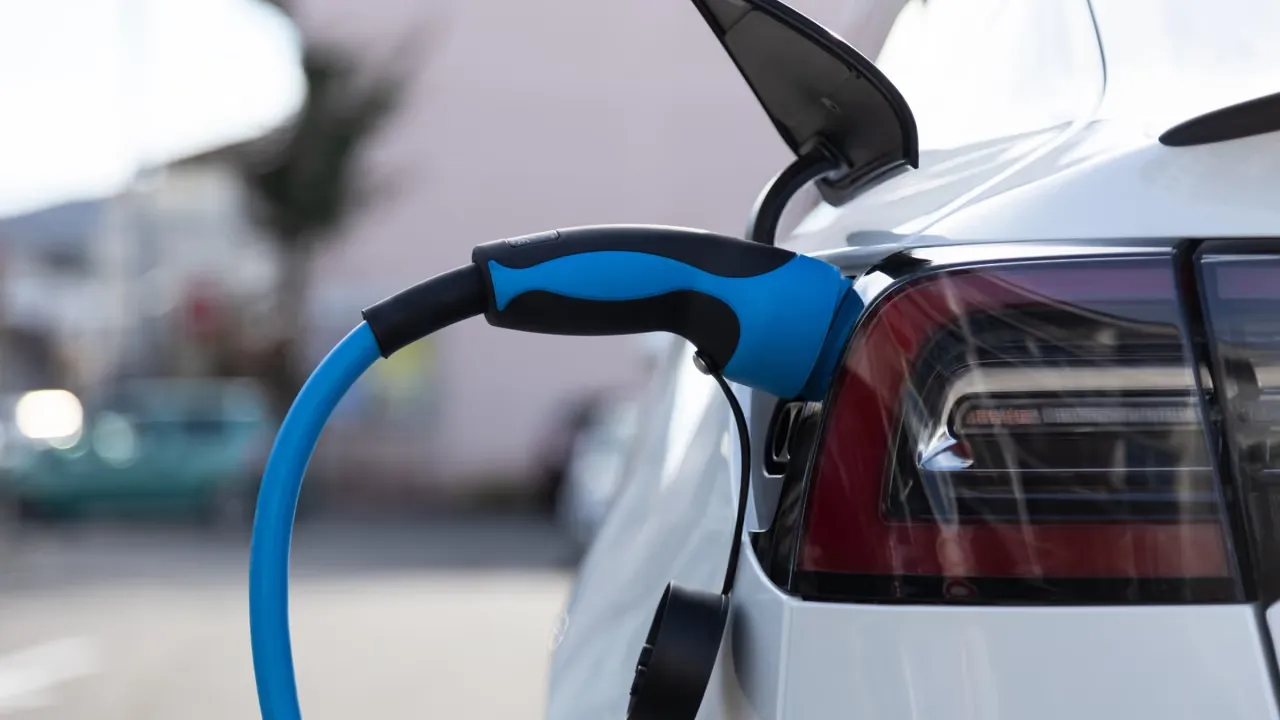


Seven Reasons to Add EV Chargers at Work
What if the next perk your company offers not only boosts employee satisfaction but also drives your sustainability goals forward? Workplace electric vehicle (EV) charging infrastructure is becoming a game-changer in how businesses support their workforce and demonstrate environmental responsibility.
The rise of workplace EV charging trends and statistics
Electric vehicles are no longer niche. Global EV sales surged past 10 million in 2022, and forecasts predict continued rapid growth. As more employees switch to EVs, workplaces are responding by installing charging stations onsite. According to a recent survey by the Electric Vehicle Association, nearly 60% of companies in North America plan to expand their EV charging infrastructure within the next two years.
Workplace charging isn’t just a U.S. phenomenon. Europe and parts of Asia are also witnessing a sharp rise in installations. The International Energy Agency reports that workplace chargers are among the fastest-growing types of EV infrastructure worldwide, often outpacing public chargers in urban areas.
Why this surge? Employees want convenience and confidence that their vehicles can be charged during office hours. Companies see opportunity in attracting talent with sustainable perks and aligning with environmental policies. The trend is clear: EV charging stations at work are becoming as essential as a coffee machine or a reliable Wi-Fi connection.
How workplace EV charging impacts employee attraction and retention
In a tight labor market, every advantage counts. Offering EV charging can be a subtle but powerful tool for recruitment and retention. A 2023 HR study found that 45% of employees consider workplace EV charging when choosing a job, especially among younger professionals and those in tech or environmentally conscious sectors.
Beyond recruitment, EV charging fosters greater employee satisfaction. It signals that the company cares about employees’ daily lives and values sustainability. For EV owners, it removes a source of stress and inconvenience, enhancing their overall work experience.
- Convenience: Charging at work makes long commutes easier and reduces the need to find public charging stations.
- Cost savings: Some employers offer free or subsidized charging, lowering employees’ transportation expenses.
- Environmental identity: Employees feel proud to work for companies supporting green initiatives.
Employers investing in EV infrastructure also demonstrate forward-thinking leadership. This can boost morale and loyalty, especially among staff who prioritize environmental responsibility. It’s a tangible way to show that sustainability isn’t just a buzzword but a core value.
Aligning corporate sustainability with EV infrastructure investment
Many companies have set ambitious sustainability targets, including carbon neutrality or net-zero emissions. Transportation is often a significant part of their carbon footprint, especially with business travel and employee commutes. Installing EV chargers supports these goals by encouraging cleaner transportation choices.
Workplace EV charging infrastructure can be integrated into broader corporate sustainability strategies:
- Reducing Scope 3 emissions: Employee commutes fall under Scope 3 emissions, which are indirect but critical to address.
- Supporting renewable energy integration: When combined with solar panels or energy storage, EV charging can optimize renewable energy use on-site.
- Enhancing ESG reporting: Documenting EV infrastructure investments improves environmental, social, and governance (ESG) metrics, appealing to investors and stakeholders.
Beyond emissions, workplace charging investments signal corporate responsibility to customers and partners. It’s a visible commitment to sustainable progress, helping differentiate brands in competitive markets.
Future outlook integrating EV charging with smart office ecosystems
The future of workplace EV charging goes beyond simply plugging in a car. Emerging technologies are turning charging stations into intelligent nodes within smart office ecosystems.
- Dynamic load management: Smart chargers can balance power demand to avoid grid overload and reduce costs by charging during off-peak hours.
- Integration with building energy systems: Chargers can communicate with HVAC, lighting, and renewable energy sources to optimize overall energy efficiency.
- Data-driven insights: Real-time analytics help facility managers understand usage patterns, plan capacity expansions, and support employee scheduling.
- Employee apps and incentives: Mobile apps can notify users when charging is complete, reserve spots, or offer rewards for off-peak charging.
As offices evolve into connected environments, EV charging will be a seamless part of the workplace experience. This integration supports not just sustainability but also operational efficiency and employee engagement.