
Five Ways EVs Improve Modern Cities
Walking through many modern cities, you can’t help but notice a subtle shift in the urban atmosphere. It’s not just the quieter streets or the cleaner air—it’s the growing presence of electric cars quietly transforming how city life unfolds. These vehicles are no longer just a new way to get from point A to point B; they are actively reshaping urban lifestyles in ways that extend far beyond transportation.
The Integration of Electric Cars with Smart City Infrastructure
Electric cars are becoming a crucial element in the development of smart cities. Unlike traditional vehicles, they can communicate with city infrastructure and other connected devices, creating a fluid, efficient urban ecosystem. This integration enables real-time traffic management, dynamic parking solutions, and optimized energy use that benefit both drivers and the city.
For example, smart charging stations can adjust their rates based on grid demand, encouraging users to charge during off-peak hours. This not only reduces strain on the energy grid but also lowers costs for consumers. Additionally, electric cars equipped with vehicle-to-grid (V2G) technology can feed surplus energy back into the grid, effectively turning parked vehicles into mobile energy storage units. This interaction supports renewable energy integration, helping cities reduce their carbon footprint.
Impact on Urban Air Quality and Noise Pollution
One of the most immediate and noticeable changes electric cars bring to city life is improved air quality. Unlike internal combustion engine vehicles, electric cars produce zero tailpipe emissions. This shift significantly reduces concentrations of nitrogen oxides (NOx) and particulate matter, especially in dense urban areas where traffic congestion is a major pollution source.
Moreover, electric vehicles (EVs) are far quieter than their gasoline or diesel counterparts. The reduction in noise pollution creates a more pleasant and healthier urban environment. Less traffic noise contributes to lower stress levels among residents and can even improve sleep quality in neighborhoods close to busy roads. Quiet streets invite more outdoor activities, fostering stronger community connections and encouraging walking or cycling.
Challenges of Charging Infrastructure in Densely Populated Areas
Despite these benefits, the widespread adoption of electric cars faces significant hurdles, particularly in cities where space is limited. Charging infrastructure is the backbone of EV convenience, yet installing enough public chargers in dense neighborhoods is a complex challenge.
- Limited curb space: Most urban residents don’t have private garages or driveways, so they rely on street parking. Installing chargers in these spots requires coordination with local governments and often leads to logistical conflicts.
- Power supply constraints: Older buildings and neighborhoods may struggle to support the increased electrical load needed for fast charging stations without costly grid upgrades.
- Equity concerns: Wealthier areas often get better access to charging infrastructure, while lower-income neighborhoods lag behind, potentially creating disparities in EV adoption.
To address these issues, cities are experimenting with innovative solutions like curbside charging hubs, wireless charging embedded in roadways, and shared community chargers. However, scaling these models remains a work in progress.
How Electric Cars Influence Urban Planning and Real Estate
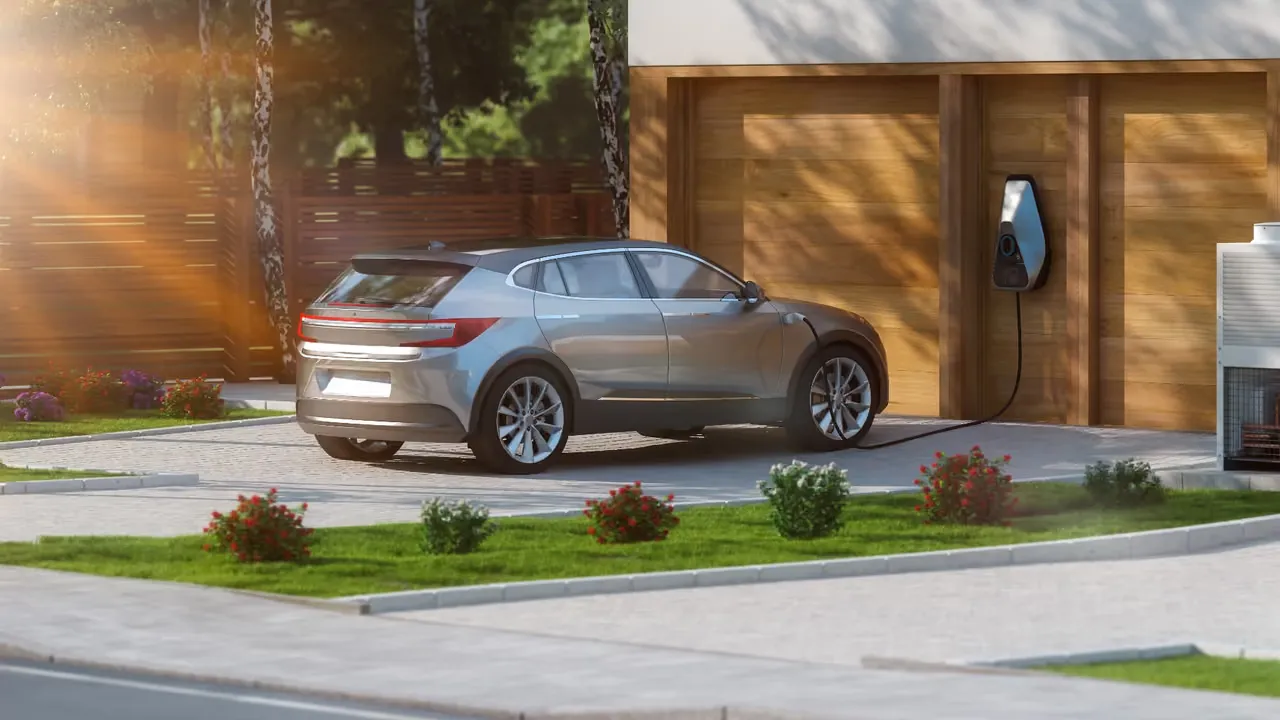
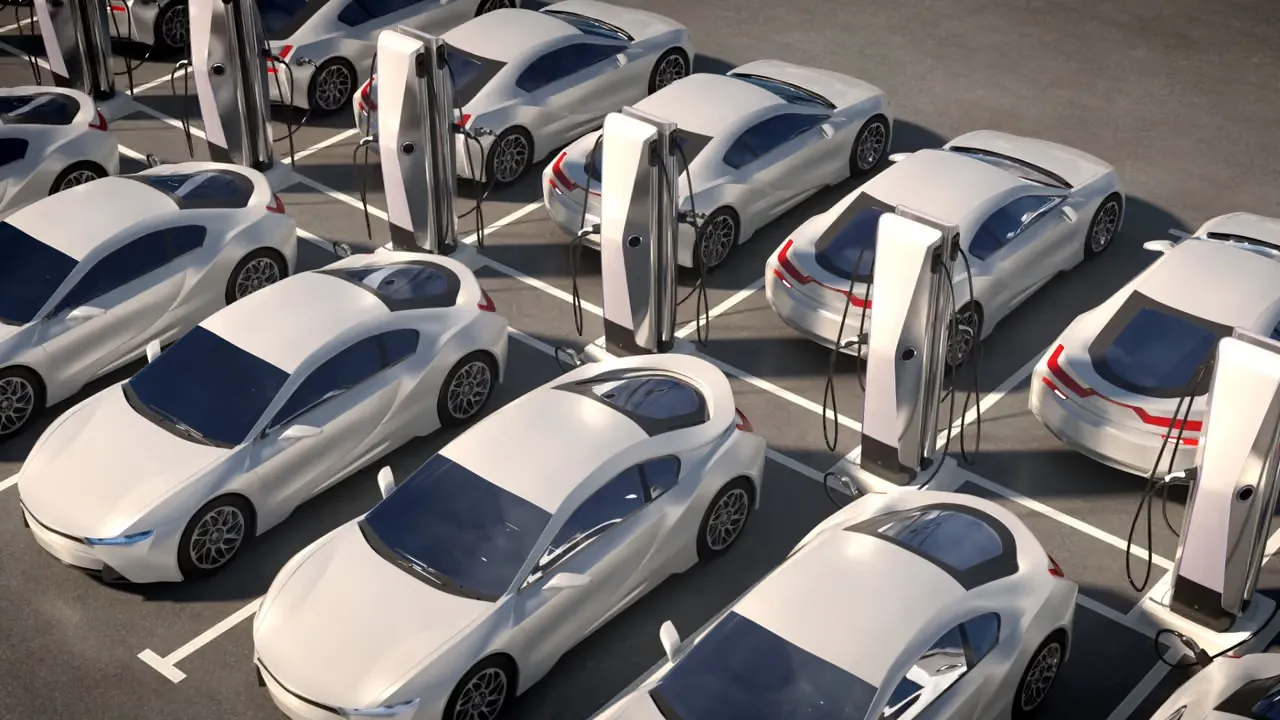
The rise of electric cars is pushing urban planners and real estate developers to rethink city layouts and building designs. Parking structures, for instance, are evolving from simple storage spaces to integrated hubs with charging capabilities and even energy generation through solar panels.
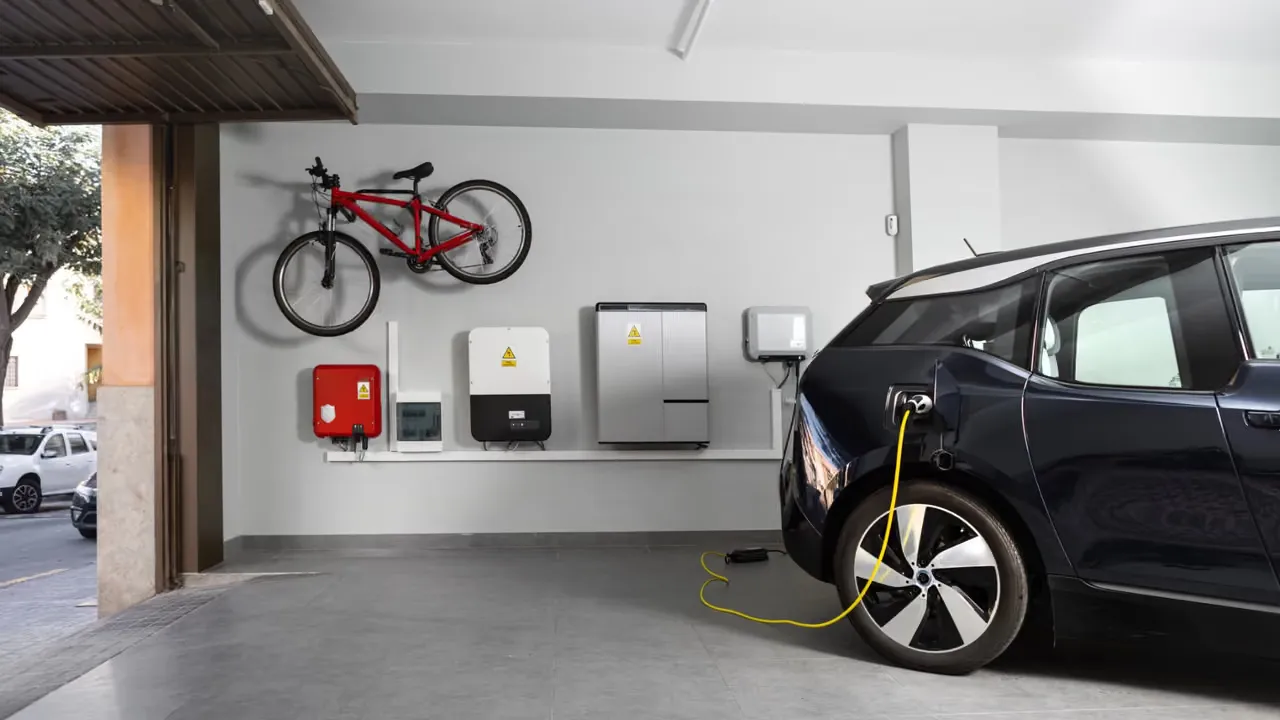
New residential and commercial developments increasingly include EV-friendly features as standard. Dedicated parking spots with charging outlets, battery storage systems, and solar canopies are becoming selling points rather than afterthoughts. This adaptation changes the economics of real estate, with properties offering reliable EV support often commanding higher values or rents.
Urban planners are also revisiting zoning laws and street designs to accommodate EVs and their infrastructure. The shift encourages mixed-use developments where residents can live, work, and charge their vehicles without long commutes. In some cases, the convenience of electric cars integrated with public transit options is reducing the need for personal vehicle ownership, leading to more pedestrian-friendly neighborhoods.
In essence, electric cars are prompting a reimagining of urban spaces—not just how we move, but how we live, work, and interact within the city.