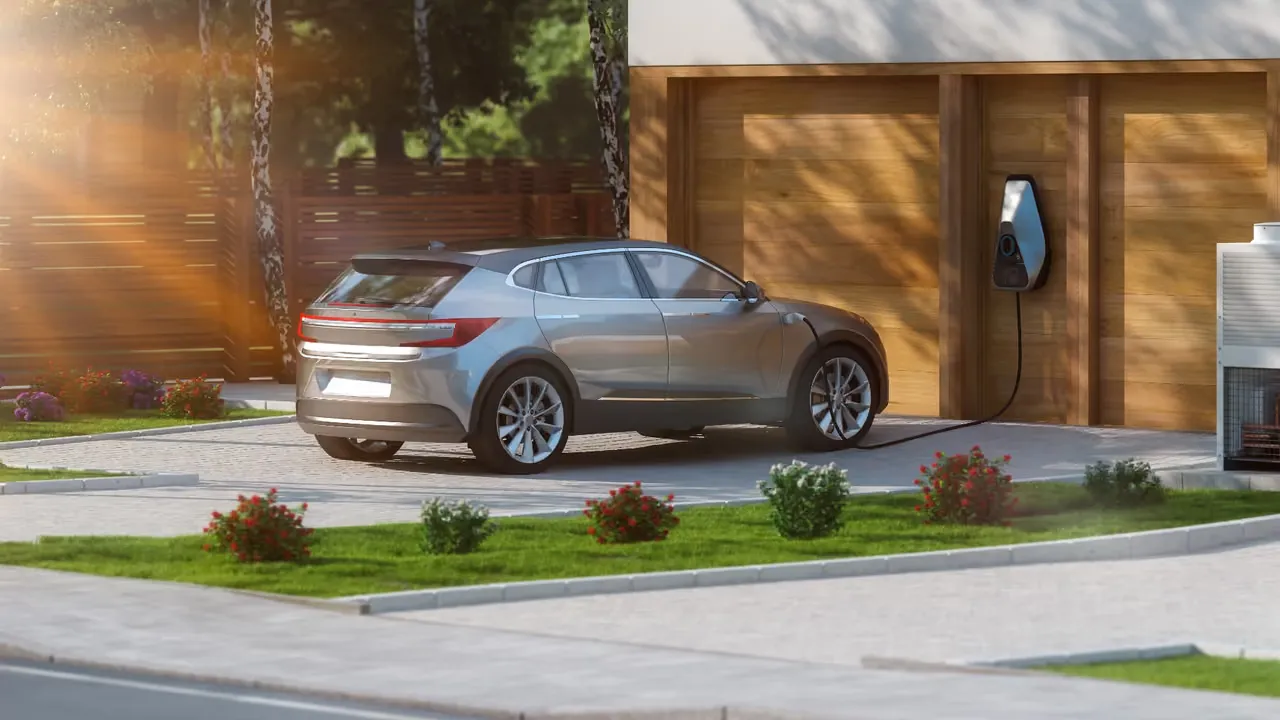


Rural Roads Need More EV Charging Stations
How can electric cars truly go mainstream if drivers in rural areas struggle to find a place to charge? While cities buzz with EV charging stations on every corner, wide swaths of the countryside remain starkly underserved. This gap in infrastructure isn’t just a minor inconvenience—it fundamentally limits the adoption of electric vehicles outside metropolitan hubs.
Current Limitations of EV Charging Networks in Rural Regions
Electric vehicle charging infrastructure is heavily concentrated in urban and suburban zones, where population density and vehicle traffic justify the investment. In contrast, rural areas face several hurdles that keep chargers scarce:
- Low population density: The spread-out nature of rural communities means fewer potential users per charging station. This undermines the business case for private companies to install and maintain chargers.
- Grid capacity constraints: Many rural electrical grids were not designed to handle increased loads from fast chargers. Upgrading the grid is costly and logistically challenging in remote locations.
- Distance and accessibility: Longer travel distances between towns make it harder to place chargers in convenient spots. The lack of nearby amenities also reduces the appeal of waiting for a charge.
- Cost of installation: Running power lines and building infrastructure in rural areas often involves higher costs per unit of electricity delivered, deterring investment.
Impact of Limited Infrastructure on EV Adoption in Rural Communities
The scarcity of charging options in rural areas creates a feedback loop that hampers EV uptake:
- Range anxiety is amplified: Drivers worry about running out of battery far from a charging station, discouraging them from switching to electric vehicles.
- Vehicles tailored to urban use: Most EV models currently on the market favor shorter-range and city driving, which doesn’t match the longer distances rural drivers often face.
- Economic disparities: Rural residents may miss out on savings from lower operating costs and incentives that urban buyers enjoy, widening the technology adoption gap.
- Environmental impact: Without EV penetration, rural areas continue to rely heavily on fossil fuel-powered vehicles, contributing to higher local emissions.
Innovative Approaches to Expand Charging Access Beyond Urban Centers
Despite these challenges, several promising strategies are emerging to bring EV charging to rural communities:
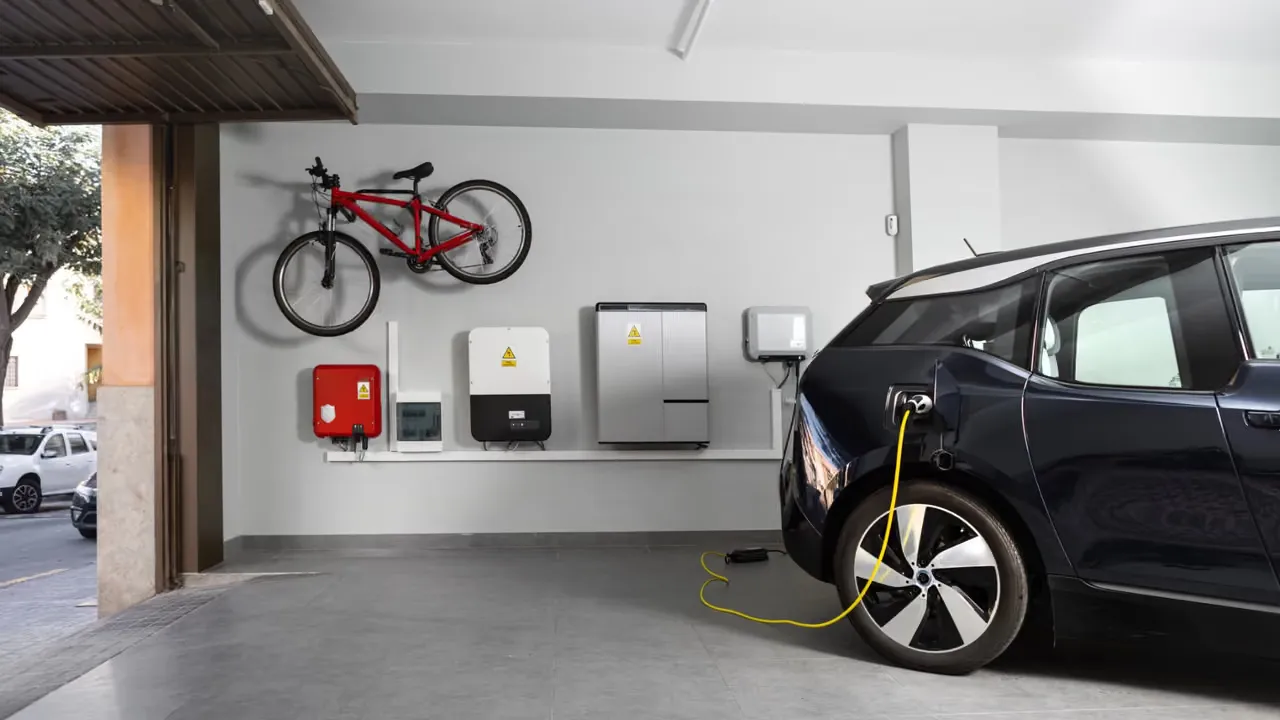
- Solar-powered charging stations: Off-grid solar can power chargers without relying on extensive grid upgrades. Paired with battery storage, these stations provide renewable energy in remote spots.
- Community-based charging hubs: Local governments, cooperatives, or businesses can pool resources to create shared charging facilities that serve wider areas.
- Mobile and pop-up chargers: Portable charging units can be deployed temporarily for events or specific demand spikes, reducing the need for permanent infrastructure.
- Integration with existing amenities: Installing chargers at rural grocery stores, post offices, or libraries leverages existing foot traffic and creates convenient charging stops.
- Vehicle-to-grid (V2G) technologies: Rural EV owners could potentially feed power back into the grid during peak demand, providing additional incentives to participate in the system.
Role of Government Policies and Private Sector in Supporting Rural EV Infrastructure
Neither government nor private companies can solve rural EV charging challenges alone. Effective progress requires coordinated action:
- Targeted subsidies and grants: Governments can offset the higher costs of rural charger installation through financial incentives, encouraging deployment where it’s not immediately profitable.
- Regulatory support: Streamlining permitting and reducing bureaucratic hurdles accelerates infrastructure projects in rural areas.
- Public-private partnerships: Collaboration between utilities, automakers, and local stakeholders fosters innovative business models and shared risk.
- Investment in grid modernization: Upgrading rural electrical infrastructure enhances capacity and reliability, making fast charging feasible.
- Education and outreach: Raising awareness about EV benefits and local charging options helps overcome skepticism and builds community demand.
Expanding electric vehicle charging into rural America requires more than plugging in stations. It demands rethinking infrastructure design, business models, and policy frameworks to meet the unique realities of remote communities. Without this focus, the electric car revolution risks leaving rural drivers stranded on the sidelines.