
Five Benefits Of Vehicle To Grid Systems
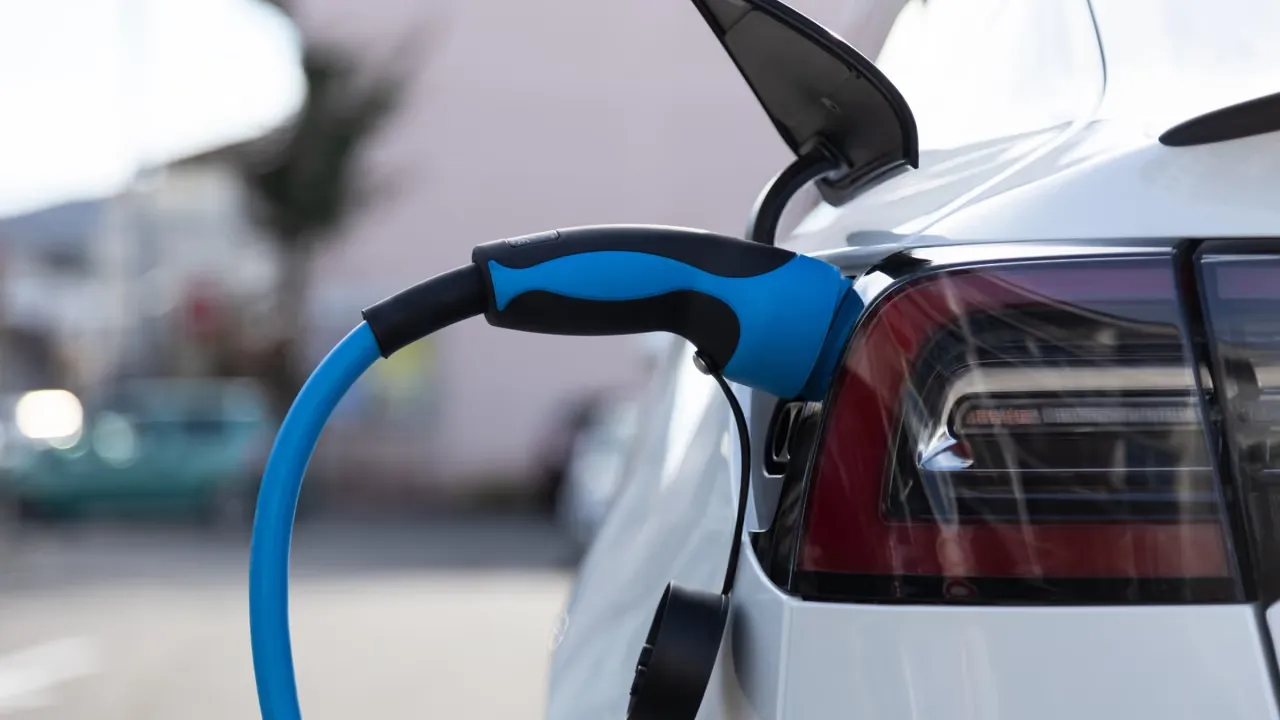
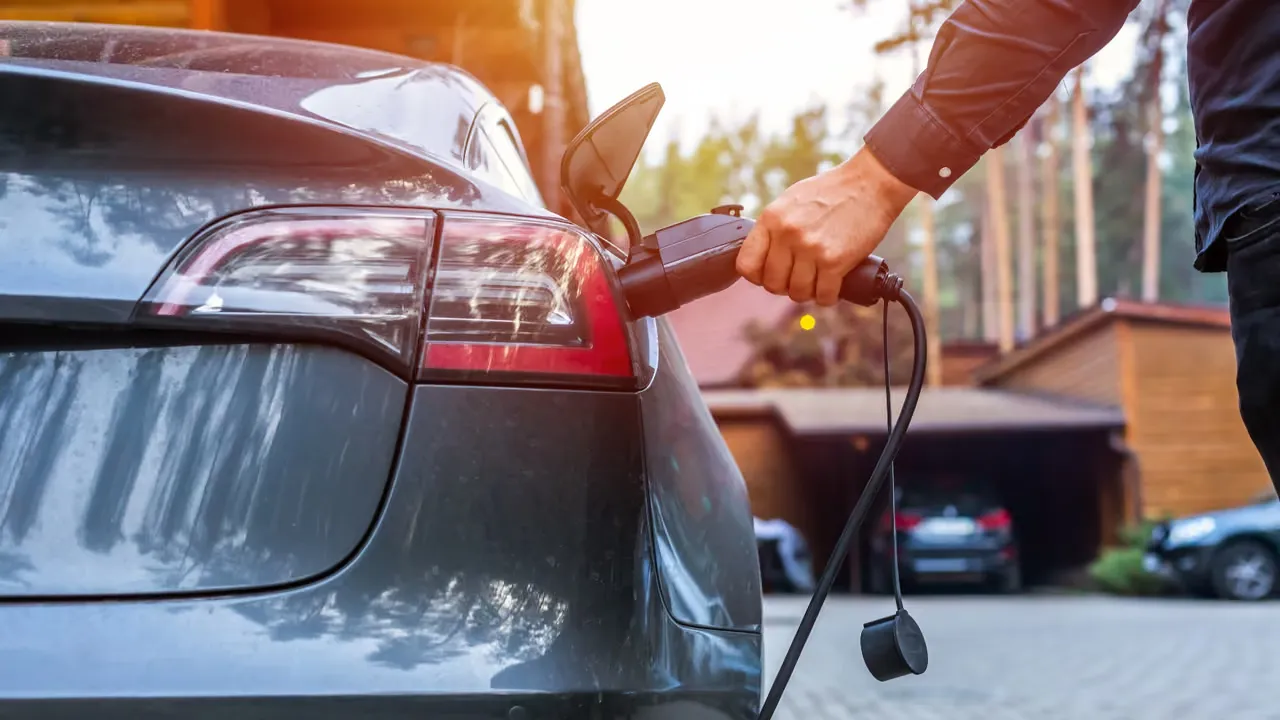
Electric vehicle charging is no longer just about filling up batteries. A quiet revolution is underway, turning EVs into two-way energy players that can feed power back into the grid. This is the promise of vehicle-to-grid (V2G) technology, an innovation that could redefine how we think about energy consumption, storage, and distribution.
What is Vehicle-to-Grid (V2G) Technology?
Vehicle-to-grid technology enables electric vehicles to communicate with the power grid to either draw electricity for charging or send electricity back to the grid. Unlike traditional one-way charging, V2G transforms EVs into mobile energy storage units. When plugged in, an EV can act as a temporary battery that supplies power during peak demand times, then recharge during off-peak hours.
At its core, V2G relies on bidirectional chargers and sophisticated software that controls the flow of electricity. This technology turns every compatible EV into a potential energy asset, capable of balancing supply and demand in real time.
How V2G Enhances EV Charging Beyond Just Powering Vehicles
We typically think of EV charging as a simple transaction: energy flows from the grid to the car. V2G flips this script by making the process interactive. Here’s how it changes the game:
- Dynamic energy exchange: Instead of passively consuming power, EVs actively contribute energy back to the grid during shortages or peak prices.
- Smart charging: V2G systems can schedule charging times to maximize efficiency and reduce costs, charging when electricity is cheapest and cleanest.
- Energy storage on wheels: EV batteries double as decentralized storage, smoothing out fluctuations from intermittent renewable sources like wind and solar.
- Increased grid resilience: In emergencies or blackouts, V2G-enabled EVs can provide backup power to homes or critical infrastructure.
Turning EVs into flexible energy resources means they’re no longer just consumers but partners in energy management.
Benefits of V2G for Grid Stability and Renewable Energy Integration
One of the biggest challenges facing modern power grids is handling the variable output from renewable energy sources. Solar panels don’t shine at night, and wind turbines don’t spin on calm days. V2G technology offers a practical way to store excess renewable energy and dispatch it when needed:
- Peak shaving and load balancing: By feeding electricity back during high demand, EVs help avoid the need for expensive and polluting peaker plants.
- Enhanced renewable utilization: V2G enables grids to absorb more solar and wind energy, reducing curtailment and increasing overall green energy use.
- Deferral of infrastructure upgrades: Distributing energy storage across thousands of EVs can delay costly investments in grid expansion or new power plants.
- Economic incentives for EV owners: Drivers can potentially earn money by selling stored energy back to the grid during peak times, turning their vehicles into income-generating assets.
These benefits align V2G with the broader transition to sustainable, decentralized energy systems.
Challenges and Future Prospects for V2G Implementation
Despite its promise, V2G faces several hurdles before it becomes mainstream:
- Technical compatibility: Not all EVs and chargers currently support bidirectional power flow, requiring hardware upgrades and standardization efforts.
- Battery degradation concerns: Repeated cycling of batteries for grid services could accelerate wear, raising questions about warranty and battery lifespan.
- Regulatory and market barriers: Energy markets and utility regulations need to evolve to accommodate and incentivize V2G participation.
- Consumer acceptance: Drivers must trust that their vehicles will remain charged when needed and be willing to participate in energy sharing programs.
Innovations in battery technology, smart grid infrastructure, and regulatory frameworks are steadily addressing these challenges. Pilot projects around the world—from university campuses to urban neighborhoods—are demonstrating V2G’s viability and benefits.
As EV adoption accelerates, vehicle-to-grid technology stands poised to transform the humble charging session into a sophisticated energy management solution that benefits drivers, utilities, and the environment alike.