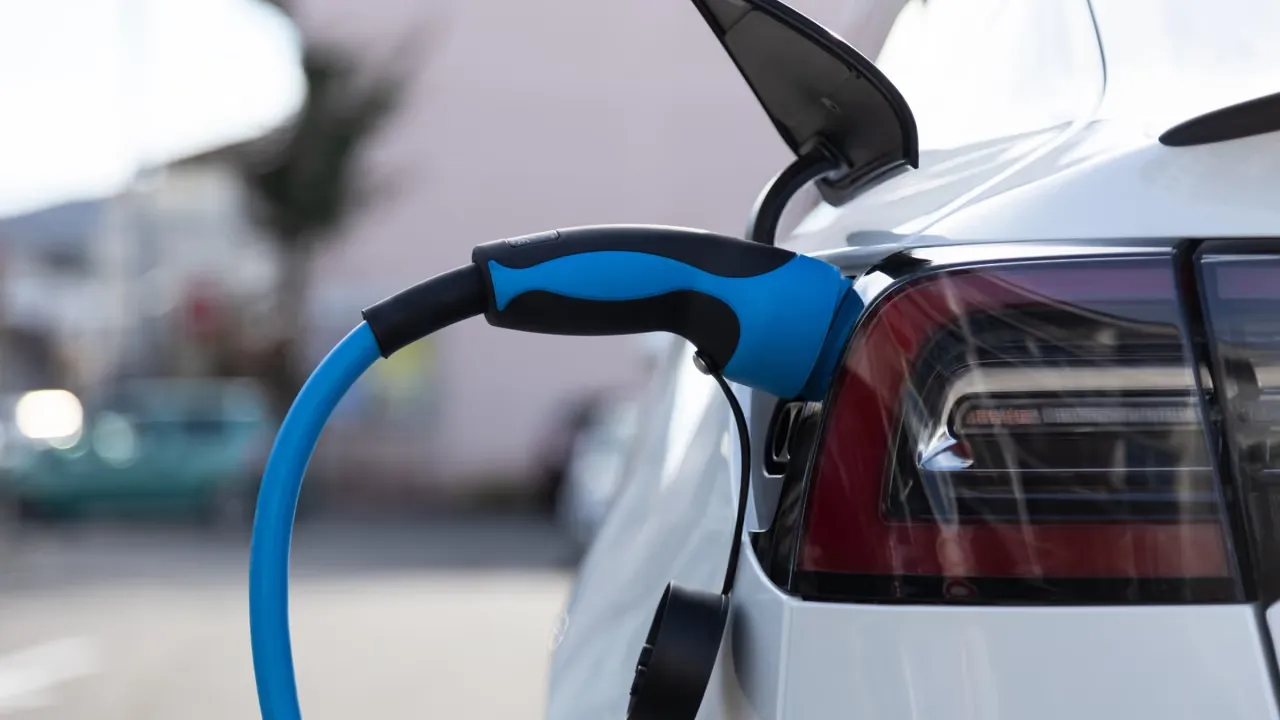


Seven Ways To Boost City EV Infrastructure
How can cities keep pace with the growing demand for electric vehicle (EV) charging without gridlock, long waits, or empty streets cluttered with unused chargers? As more drivers switch to EVs, urban areas face a pressing challenge: scaling up charging infrastructure quickly and smartly. The road from a handful of slow chargers to a dense, efficient network is anything but smooth.
Current Limitations of Urban EV Charging Infrastructure
Urban EV charging infrastructure is often a patchwork of outdated, insufficient, or poorly located stations. Many cities still rely heavily on standard Level 2 chargers, which take hours to juice up a vehicle. This slow turnaround limits the number of cars that can charge daily at any given station, leading to congestion and frustration.
Space constraints in dense urban environments add another layer of complexity. Unlike suburban or rural areas where driveways and garages are common, city residents frequently depend on street parking. Installing chargers on crowded sidewalks or in limited parking lots is a logistical headache, often sparking conflicts with pedestrians, cyclists, and local businesses.
Another hurdle is the uneven distribution of chargers. Wealthier neighborhoods tend to have more stations, while underserved areas lag behind, raising concerns about equity and access. This imbalance can stall EV adoption among lower-income urban residents, undermining broader climate goals.
Innovative Technologies to Enhance Charging Efficiency
Fast chargers are no longer a futuristic concept—they’re becoming essential. Ultra-fast DC chargers can replenish an EV battery to 80% in 20-30 minutes, drastically improving turnover. However, their high power requirements can strain the local grid if not managed properly.
Smart charging technologies offer a promising solution. By dynamically adjusting charging speeds based on grid load, time of day, and user preferences, smart chargers can reduce peak demand and prevent blackouts. Vehicle-to-grid (V2G) systems take this a step further by allowing EVs to feed stored energy back into the grid during high-demand periods, turning cars into mobile batteries.
Wireless charging pads embedded in parking spaces also show potential for convenience and urban integration. Though still expensive and less efficient than wired options, they eliminate the need for cables and can make charging more seamless for users.
Policy Measures Supporting Urban EV Charging Expansion
Technology alone won’t fix urban charging woes. Policymakers must create an environment that supports rapid, equitable infrastructure growth. Zoning laws that require or incentivize new buildings to include EV charging stations are a crucial step. Some cities have already mandated a minimum number of chargers in parking garages, new apartment complexes, and commercial developments.
Financial incentives for both providers and users help lower barriers. Grants, rebates, and tax breaks can accelerate installation of chargers, especially in underserved neighborhoods. On the demand side, reduced parking fees or priority parking for EVs encourage adoption.
Integration with public transit and shared mobility services also plays a role. Cities that promote electric buses, car-sharing, and ride-hailing fleets can justify investments in high-capacity charging hubs, spreading infrastructure costs and boosting utilization.
Community Engagement and Its Role in Infrastructure Development
Urban EV charging infrastructure cannot be a top-down project. Community input ensures that installations meet local needs and avoid conflicts. Residents can identify the best locations that balance accessibility with minimal disruption to sidewalks and street life.
Engagement also helps address equity concerns. Outreach programs targeting historically underserved communities can promote awareness, gather feedback, and tailor solutions to specific challenges—whether that’s language barriers, safety concerns, or financial constraints.
Collaborations between city officials, utilities, developers, and neighborhood groups foster transparency and trust. Pilot projects and pop-up charging stations provide real-world testing grounds, allowing communities to experience benefits firsthand and voice concerns before permanent installations.
Ultimately, scaling EV charging in cities requires a blend of smart technology, proactive policy, and genuine community partnership. Without this trio working in concert, the promise of an electrified urban future risks getting stuck in traffic.