
Smart EV Charging Saves You Money Daily
What if your electric vehicle charging system could think for itself and save you money while protecting the planet? Smart EV charging is not just a futuristic idea—it’s a practical approach that’s reshaping how homeowners use energy. By aligning charging times with energy demand, costs, and renewable generation, smart charging unlocks benefits traditional chargers can’t match.
Understanding Smart EV Charging What Makes It Different
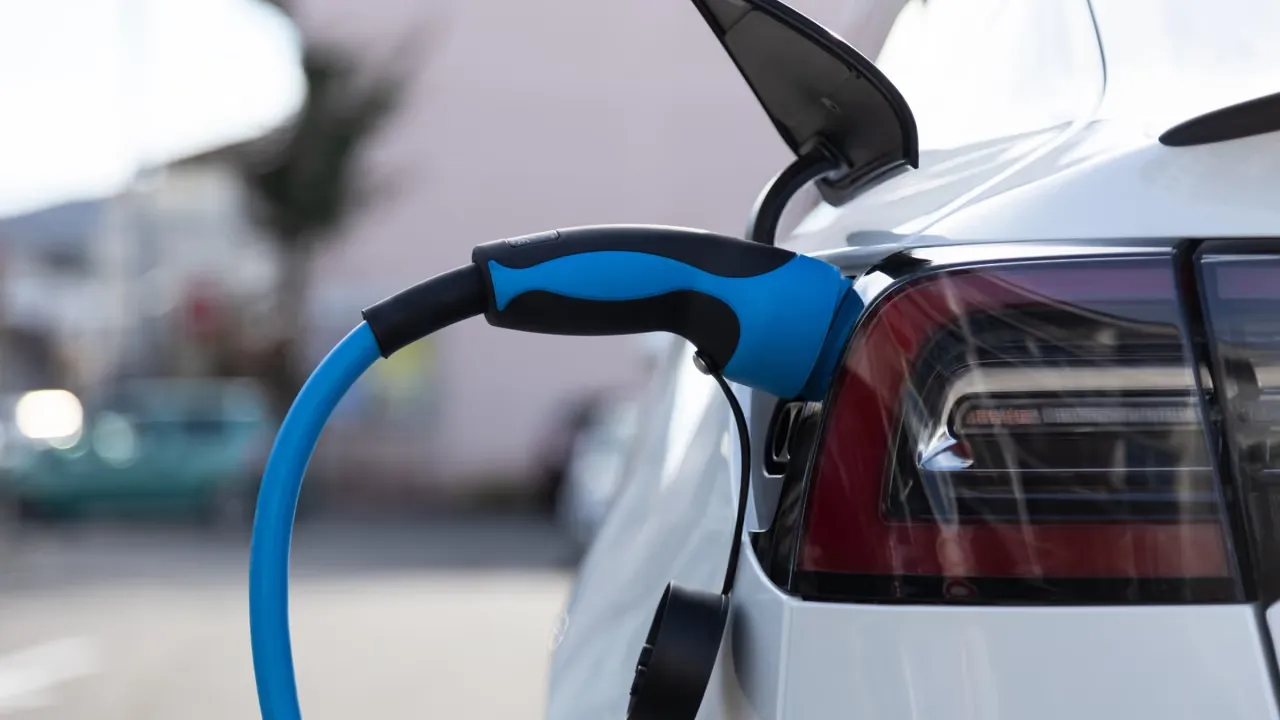
At its core, smart EV charging uses technology to control when and how your electric vehicle charges. Unlike a basic charger that simply pumps electricity into the battery whenever plugged in, smart chargers communicate with your home’s energy system, the grid, or even weather forecasts to optimize charging sessions.
These chargers can:
- Delay charging until electricity rates drop
- Adjust charging speed based on grid demand or solar panel output
- Provide data insights about your energy consumption
- Integrate with smart home systems for seamless energy management
By doing this, smart chargers don’t just fill your EV battery—they become active participants in your home’s energy ecosystem, reducing waste and cost.
The Impact of Time-of-Use Rates on Charging Costs
One of the biggest advantages of smart EV chargers is their ability to exploit time-of-use (TOU) electricity rates. Many utility companies charge different prices for electricity depending on the time of day. Typically, power costs spike during peak hours—when demand is highest—and drop during off-peak periods like late at night.
Without smart charging, you might plug in your EV as soon as you get home, inadvertently charging during expensive peak hours. Smart chargers can automatically delay your vehicle’s charging until cheaper, off-peak hours, significantly cutting your electricity bill.
For example, if your utility offers rates that are three times higher during peak hours, shifting your charging to off-peak times could save you hundreds of dollars annually. Some smart chargers even allow you to set preferences or connect with apps that monitor hourly rates, giving you full control over when and how your EV charges.
Integrating Smart Charging with Renewable Energy Sources at Home
Smart EV charging shines brightest when paired with home renewable energy systems like solar panels. Because solar generation fluctuates throughout the day, smart chargers can adjust charging patterns to take advantage of peak solar output, using “free” electricity directly from your panels instead of drawing from the grid.
This integration can:
- Maximize the use of clean energy
- Reduce grid dependency
- Lower overall energy costs
Imagine your EV charging faster during sunny afternoons when your solar system produces the most power, then slowing down or pausing at night when solar output drops. Some advanced setups also incorporate home battery storage, allowing you to store solar energy and use it for EV charging even after the sun sets.
This dynamic use of renewable energy not only cuts costs but also reduces your carbon footprint, making your EV truly green from plug to wheel.
Future Trends How Smart Charging Could Shape Residential Energy Management
The evolution of smart EV charging is tightly linked to broader shifts in residential energy management. As more homes adopt EVs, solar panels, and battery storage, the concept of the “smart home” will deepen with integrated systems that balance energy needs intelligently.
Upcoming trends include:
- Vehicle-to-Grid (V2G) Technology: Your EV could send power back to the grid or your home during peak demand, turning your car into a mobile energy asset.
- AI-Driven Energy Optimization: Artificial intelligence algorithms will learn your habits, weather patterns, and grid conditions to optimize charging with minimal input.
- Dynamic Pricing Integration: Real-time energy prices could allow smart chargers to respond instantly to market fluctuations, ensuring the lowest possible charging costs.
- Enhanced User Interfaces: More intuitive apps and voice controls will make managing your EV charging as easy as setting a thermostat.
These advances promise a future where your EV is not just a mode of transportation but a key component of your home’s energy strategy, helping you save money and support a cleaner energy grid.