
Why Smart Charging Saves Money and Energy
Electric vehicle (EV) charging is no longer just about plugging in and waiting. As EV ownership grows, the pressure on power grids intensifies, demanding smarter ways to manage energy. Enter smart grid technology, which is reshaping how we think about charging EVs, not simply as an energy demand but as an opportunity to optimize power flow and stabilize the grid.
Understanding Smart Grids and Their Integration with EV Charging
A smart grid is an electricity network that uses digital communication technology to detect and react to local changes in usage. Unlike traditional grids, which operate on a one-way flow of electricity, smart grids enable two-way communication between utilities and consumers. This interaction allows for better monitoring, control, and management of energy resources.
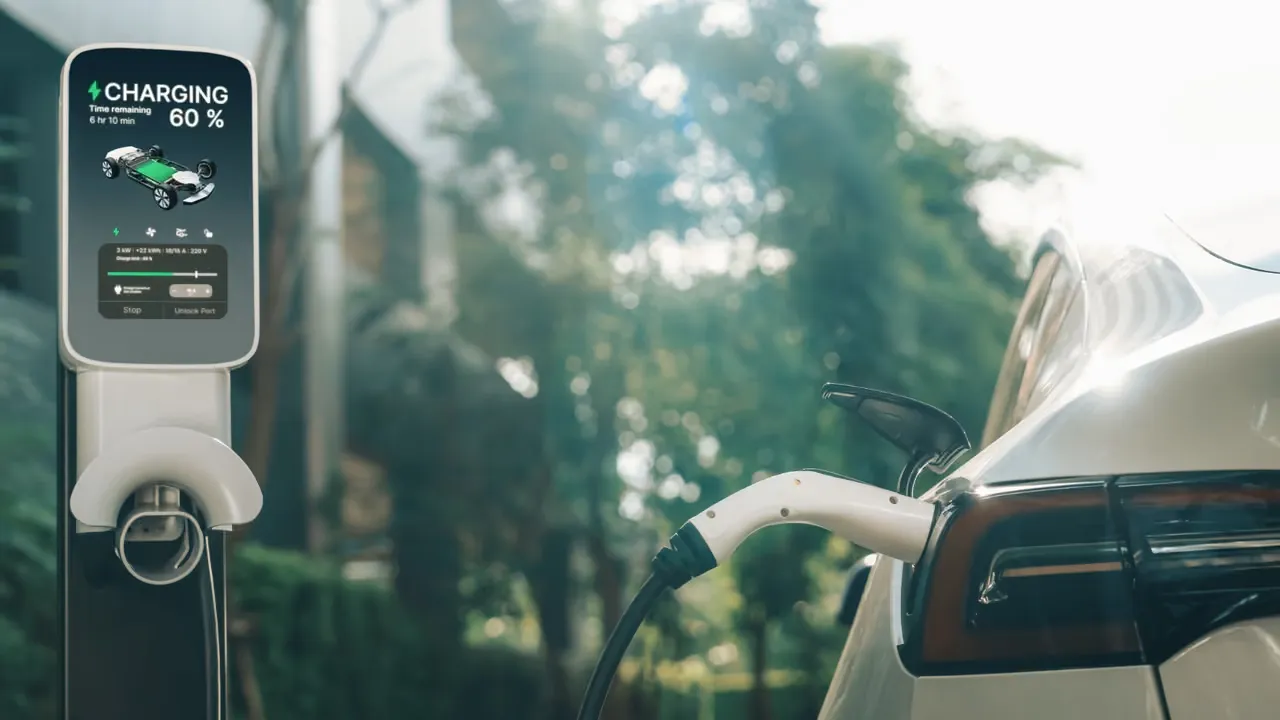
When integrated with EV charging, smart grids turn charging stations into active participants in the energy ecosystem. Instead of charging vehicles whenever plugged in, smart charging systems schedule charging times, adjust power levels, and even feed energy back into the grid when necessary. This integration hinges on connected hardware, cloud-based software, and real-time data analytics.
Benefits of Smart EV Charging Cost Savings and Reduced Grid Strain
Smart EV charging offers tangible benefits for both the consumer and the grid operator. For EV owners, smart charging can mean lower electricity bills. By leveraging time-of-use pricing, vehicles can be charged during off-peak hours when electricity is cheaper. Smart chargers can automatically delay charging or modulate power to take advantage of these periods without compromising convenience.
From the grid’s perspective, smart charging reduces strain during peak demand periods. Instead of a sudden surge caused by many EVs charging simultaneously—typically in the evening—smart grids can stagger charging sessions, smoothing out demand curves. This prevents the need for costly infrastructure upgrades and reduces the risk of outages.
Additionally, smart grids can incorporate renewable energy sources more effectively. For example, EVs can be charged when solar or wind generation is high, absorbing excess renewable energy that might otherwise go unused. This synergy helps lower carbon emissions and supports a cleaner energy transition.
Challenges in Implementing Smart Grid EV Charging Solutions
Despite the clear advantages, deploying smart grid-enabled EV charging faces several hurdles. One major challenge is interoperability. The EV ecosystem includes diverse vehicle manufacturers, charging hardware providers, and utility systems. Ensuring seamless communication across these platforms demands common standards and protocols, which are still evolving.
Another issue is the upfront cost and complexity of upgrading existing infrastructure. Smart meters, communication modules, and control software require significant investment. Utilities and charging network operators must balance these costs against uncertain returns and regulatory environments that vary by region.
Privacy and cybersecurity also loom large. Connected charging systems collect sensitive user data and control critical infrastructure components. Protecting this information and preventing malicious attacks on the grid require robust security measures and ongoing vigilance.
Finally, consumer acceptance remains a barrier. Many users are accustomed to charging their vehicles immediately and may resist systems that delay or limit charging. Educating consumers about the benefits and providing intuitive controls will be crucial for widespread adoption.
Future Prospects How Smart Grids Can Enable Widespread EV Adoption
Looking ahead, smart grids are poised to become the backbone of a sustainable transportation future. As battery technologies improve and EVs become more affordable, the number of vehicles on the road will surge. Without smart grid management, this growth could overwhelm power systems.
One promising development is vehicle-to-grid (V2G) technology, which allows EVs not only to consume power but also to supply it back to the grid during peak times. This bidirectional flow can turn parked EVs into distributed energy resources, enhancing grid resilience and opening new revenue streams for owners.
Moreover, advances in artificial intelligence and machine learning will enable predictive charging and grid management. Smart grids will anticipate demand spikes, weather patterns affecting renewable output, and user behavior to optimize energy distribution dynamically.
Policy support and regulatory frameworks will play a decisive role in shaping the landscape. Incentives for smart charging infrastructure, data-sharing mandates, and cybersecurity standards will help overcome existing barriers and accelerate innovation.
Ultimately, integrating smart grid technology with EV charging is not just about managing energy—it’s about transforming how we generate, consume, and think about electricity. The grid of the future will be smarter, cleaner, and more responsive, making the widespread adoption of electric vehicles not only feasible but sustainable.